


Camper Van Solar That Fits How You Camp
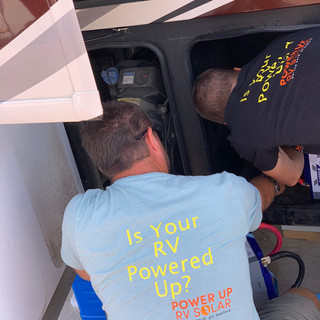
A shaded campsite, a hot afternoon, and a refrigerator full of food can reveal the difference between a solar setup and a real electrical system. The phrase camper van solar may be what brought you here, but the same planning applies to every RV: panels alone do not determine whether you can work, cook, cool the coach, or stay off-grid comfortably.
The right system starts with how you actually camp. A weekend traveler who mostly follows clear weather has different needs than a full-time RVer running laptops, a residential refrigerator, and air conditioning in the Southwest. At Power Up RV Solar, system design begins with the load, the travel pattern, and the desired level of comfort - not with a preselected panel package.
Camper Van Solar Starts With Your Power Use
Solar panels make electricity while the sun is available. Batteries store it for morning coffee, cloudy days, overnight refrigeration, and those hours when the sun is behind the trees. An inverter turns battery power into the household-style AC power used by many appliances. Each part has to support the others.
That is why the first question is not, “How many panels fit on the roof?” It is, “What do you need to run, and for how long?” A rig used for lights, water pumps, device charging, and a 12-volt refrigerator can be very capable with a modest battery bank and solar array. Add a microwave, induction cooktop, hair dryer, coffee maker, Starlink, multiple workstations, or an air conditioner, and both the battery and inverter requirements change quickly.
Air conditioning deserves special attention. It is one of the largest loads in an RV, and runtime depends on more than the unit’s wattage. Outdoor temperature, insulation, sun exposure, thermostat setting, roof color, window coverings, and how often doors open all affect the result. A properly designed lithium battery bank and inverter can support meaningful AC use, but solar recovery and runtime must be discussed honestly. There is no universal “runs AC all day” answer that fits every coach and campsite.
Build Around Watt-Hours, Not Assumptions
A useful design conversation looks at watt-hours: how much energy an appliance uses over time. A microwave may draw substantial power but only run for a few minutes. A refrigerator draws less at any one moment but runs all day. A laptop, monitor, cellular booster, and satellite internet setup may feel minor individually, yet they become a steady daily load for remote workers.
Starting with real appliance information avoids two common problems: a system that cannot keep up, or a system oversized for the way you travel. If you have model numbers, bring them. If you do not, a good installer can help identify likely loads and build in an appropriate margin for growth.
What a Complete Camper Solar System Includes
Panels get the attention, but the supporting equipment determines how useful the system feels at camp. A complete system typically includes solar panels, a charge controller, a lithium battery bank, inverter and charger equipment, appropriate wiring and circuit protection, and a way to monitor performance.
Solar panels are the collection side of the system. Roof space, shading, roof layout, and future accessory plans all matter. More panel capacity can speed battery recovery in strong sun, but it cannot fully overcome a heavily shaded site or several days of rain. Travelers who prefer forested campgrounds often benefit from planning additional charging options instead of expecting solar alone to cover every situation.
A solar charge controller manages the energy coming from the panels and sends it safely to the batteries. The controller must be correctly matched to the array voltage, battery chemistry, and total panel output. This is not a component to treat as an afterthought, especially on higher-capacity systems.
Lithium batteries have changed what is possible off-grid. Compared with older battery types, they can offer more usable capacity, steadier voltage under load, faster charging, and a longer service life when installed and managed correctly. Battery capacity is where overnight comfort comes from. Panels refill the bank; batteries carry the load when conditions are less than perfect.
The inverter is equally important for anyone who wants to use 120-volt appliances away from hookups. Its continuous output must handle expected loads, while its surge capability needs to accommodate startup demands. A system intended for a coffee maker and microwave is different from one intended to support a high-demand air conditioner. Shore-power integration also matters, allowing the system to charge batteries and manage power properly when you do plug in.
Match the System to Where You Camp
Your camping style is one of the most valuable pieces of system-design information. Boondocking on open public land, staying in state parks, moving frequently between destinations, and spending extended time in established campgrounds all create different opportunities and limitations.
Open desert camping can provide excellent solar production, but it also creates heat loads that may increase air-conditioning demand. Tree-covered sites can be cooler and more comfortable, yet shade can reduce panel output dramatically. Moving every few days may give the batteries regular sun exposure and opportunities to charge while driving. Staying in one shaded site for a week calls for a more conservative energy plan.
Think about the season as well. A setup that easily meets your needs in June may recharge more slowly during shorter winter days. If you travel across the country, your system should be designed for the conditions you expect most often, not only the best-case weather shown in a solar calculator.
Do Not Forget Charging Beyond Solar
Solar is a key part of off-grid independence, but a flexible RV electrical system often has more than one charging path. Shore power is valuable when hookups are available. A properly integrated inverter-charger can bring batteries back up efficiently. Alternator charging can also be a practical option for travelers who move regularly.
This does not mean every rig needs every possible component. It means the system should have a realistic recovery plan. If solar production is low for several days, how will you recharge? The answer may be shore power at the next stop, driving to a new destination, or another charging source suited to your travel habits.
Plan for Installation Details That Affect Reliability
A powerful component list is only part of the job. Neat cable routing, correct wire sizing, secure mounting, proper fusing, battery protection, ventilation where required, and clean integration with existing electrical equipment affect safety, performance, and serviceability.
Professional installation is especially valuable when a system includes a large inverter, high-capacity lithium batteries, solar charging, shore power, and multiple monitoring components. These circuits can carry significant current. The work should be organized so that equipment is accessible, wiring is protected, and future troubleshooting does not become a guessing game.
Remote monitoring is worth considering if you want a clear view of battery state of charge, solar production, charging sources, and inverter demand. It helps you understand how the system performs in real conditions. Over time, that information can change how you camp: perhaps you learn that your work setup uses less energy than expected, or that late-afternoon shade is the real reason batteries are not recovering.
Questions to Answer Before You Design
Before choosing equipment, gather the information that defines the job. Know your RV type and available roof space. List the appliances you want to use, including air conditioners, microwaves, coffee makers, refrigerators, cooking equipment, and work gear. Note any existing batteries, inverter, solar equipment, generator, or shore-power limitations.
Then be specific about your goals. Do you want to keep basic essentials running for several days? Work remotely without rationing power? Reduce generator use? Run an air conditioner for a limited period? Replace aging batteries while making the system easier to monitor? Each goal points toward a different balance of solar, storage, inverter capacity, and charging capability.
A well-designed system should leave room for the reality of travel. Weather changes. Campsites are not always sunny. Your electrical habits may grow after you discover the freedom of reliable off-grid power. Designing from the start around your actual loads gives you a system that feels less like a compromise and more like the reason you can cut the cord, choose the view, and stay a little longer.


Comments