


Lithium RV Batteries for Real Off-Grid Travel
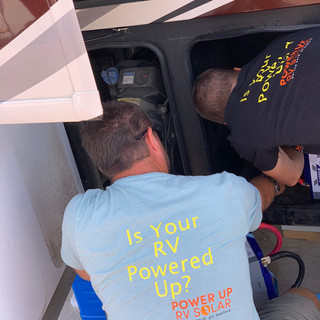
The difference between a battery setup that feels limiting and one that supports real freedom often shows up at 7 p.m. You have been boondocking for three days, dinner is in the microwave, the fridge is running, laptops are charging, and you do not want to start a generator. Properly sized lithium RV batteries make that kind of evening possible, but battery capacity alone is only one part of the plan.
A useful battery bank starts with how you actually camp. A weekend traveler who moves often has different needs than a full-timer working remotely in the desert or a family hoping to run air conditioning away from hookups. The right system is not the biggest battery bank that fits in a compartment. It is a balanced electrical system built around your loads, travel habits, charging opportunities, and desired runtime.
Why Lithium RV Batteries Change the Off-Grid Experience
Lithium batteries have become the preferred choice for many RV solar upgrades because they provide more usable energy in less space and weight than traditional lead-acid batteries. A lithium battery can typically be discharged much deeper without shortening its service life, so the amp-hours printed on the case translate to more energy you can actually use.
They also hold voltage more steadily under load. That matters when an inverter is supplying power to appliances such as a microwave, coffee maker, induction cooktop, or residential refrigerator. With a properly designed lithium bank, you are less likely to see a major voltage sag when a larger load turns on.
Charging is another practical advantage. Lithium batteries can accept charge quickly when the charging source is capable, whether that power comes from solar panels, shore power, or the RV's alternator through the correct charging equipment. If you are driving between stops, spending a sunny afternoon parked outside, or plugging in for one night, a well-integrated system can recover energy faster than many older battery setups.
That does not mean every lithium battery is interchangeable. Battery management systems, low-temperature charging protection, continuous discharge ratings, communication capabilities, physical fit, and compatibility with charging equipment all deserve attention. The battery is a major component, not a stand-alone solution.
Start With What You Want to Run
Battery sizing should begin with the loads you want available when you are not connected to shore power. The key question is not, “How many batteries do I need?” It is, “What do I want my RV to do, and for how long?”
For some owners, the answer is straightforward: lights, water pump, furnace blower, refrigerator controls, phones, and a television. For others, the list includes a residential refrigerator, CPAP machine, Starlink equipment, laptops, a coffee maker, an electric kettle, or extended remote-work gear. Air conditioning changes the conversation again because it requires both substantial battery capacity and a system that can handle high startup and running demands.
Watts and hours tell the real story. A 1,000-watt appliance used for 10 minutes does not consume the same energy as a 150-watt appliance running all day. Refrigerators cycle. Furnaces may run heavily on cold nights. Satellite internet gear can be a constant draw. The way each item is used matters as much as its label rating.
Battery Capacity Is Only Part of the Equation
Battery capacity is usually discussed in amp-hours, but watt-hours provide a clearer picture when comparing loads. A 12-volt 100 amp-hour lithium battery stores roughly 1,280 watt-hours of energy. Actual usable energy depends on the battery's operating voltage, system settings, temperature, and the reserve you choose to keep.
A modest setup may work well for overnight stops and low-demand camping. A larger bank may be necessary for multiple days away from hookups, remote work, or electric cooking. If you expect to use air conditioning from batteries, the design needs a closer look at the air conditioner, inverter, battery bank, solar array, and recharge plan as one system.
There is no benefit to guessing high or low. An undersized bank creates daily power anxiety. An oversized bank without adequate charging can leave you carrying capacity that rarely returns to full. Good design finds the middle ground that fits your travel style.
Match the Charging System to the Battery Bank
A lithium battery bank needs reliable ways to recharge. Solar is often the foundation for off-grid RV travel because it produces energy while you are parked, but panel output changes with weather, season, shade, roof space, and parking direction. A solar plan that performs beautifully in Arizona sunshine may produce much less during a wooded stay in Michigan or a cloudy coastal week.
Shore-power charging remains valuable even for dedicated boondockers. A properly programmed charger can replenish the bank when you stop at a campground or stay with family. Alternator charging can help while traveling, but it should be designed correctly. High-capacity lithium batteries can draw far more current than an RV's factory wiring or alternator system was meant to provide. A DC-to-DC charger and appropriately sized wiring help manage that safely.
Solar charge controllers and converters also need lithium-compatible charge profiles. Charging settings should match the battery manufacturer's requirements rather than relying on assumptions from an older lead-acid setup. This is one reason complete-system planning matters. The newest batteries cannot deliver their best performance when they are paired with mismatched charging equipment.
Do Not Overlook the Inverter
The inverter determines what AC appliances can run from your battery bank. Its continuous output rating needs to cover the loads you expect to use, while its surge capability needs to handle short startup demands. It also needs sufficient DC wiring, fusing, and battery discharge capacity behind it.
A large inverter does not create more energy. It simply gives you the ability to use energy faster. Running a 1,500-watt appliance from batteries can be perfectly reasonable for a few minutes, but several high-draw appliances used back-to-back can drain a smaller battery bank quickly. An inverter should make your RV more capable, not encourage an electrical plan that outruns its battery and charging system.
For owners who want selected outlets, microwave power, or broader whole-coach capability, the distribution approach matters too. Shore-power integration, transfer switching, subpanels, and circuit planning should be installed neatly and intentionally. The goal is clear operation: power where you need it, with the right safeguards in place.
Cold Weather, Heat, and Installation Details
Lithium batteries should not be charged below their specified temperature range unless they have approved internal heating or another suitable protection strategy. Discharging in cold conditions is often possible within limits, but charging a cold battery without protection can cause permanent damage. If your RV sees freezing weather, battery location and temperature management are part of the design.
Heat deserves attention as well. Battery compartments can become much hotter than the living area during summer travel. Choose equipment rated for the environment and allow for proper ventilation, cable routing, access to disconnects, and future service. A clean installation is not just about appearance. It makes troubleshooting safer and gives you confidence in the system when you are far from the nearest hookup.
Remote monitoring adds another layer of confidence. Seeing battery state of charge, solar production, charging current, and inverter activity helps you learn your real energy habits. After a few trips, you can tell whether your system is comfortably sized or whether one particular load is changing the math.
Build Around Your Camping Style
Before choosing lithium RV batteries, think through a normal travel week. Consider how long you stay in one place, whether you chase sun or camp under trees, how often you drive, what must run overnight, and whether air conditioning is a goal or an occasional bonus. Also consider the equipment already in your RV. Some upgrades integrate easily, while others make more sense as part of a broader electrical refresh.
At Power Up RV Solar, that requirements-first conversation is where a dependable build starts. A motorhome or travel trailer used for quiet overnight stops needs a different plan than one set up for extended off-grid living. Neither approach is better. They simply require different capacity, charging, and inverter decisions.
Before your next long stay away from hookups, write down the appliances you refuse to give up and the hours you use them. That short list gives your electrical system a purpose, and it gives you a much clearer path to cutting the cord and going exploring.


Comments