

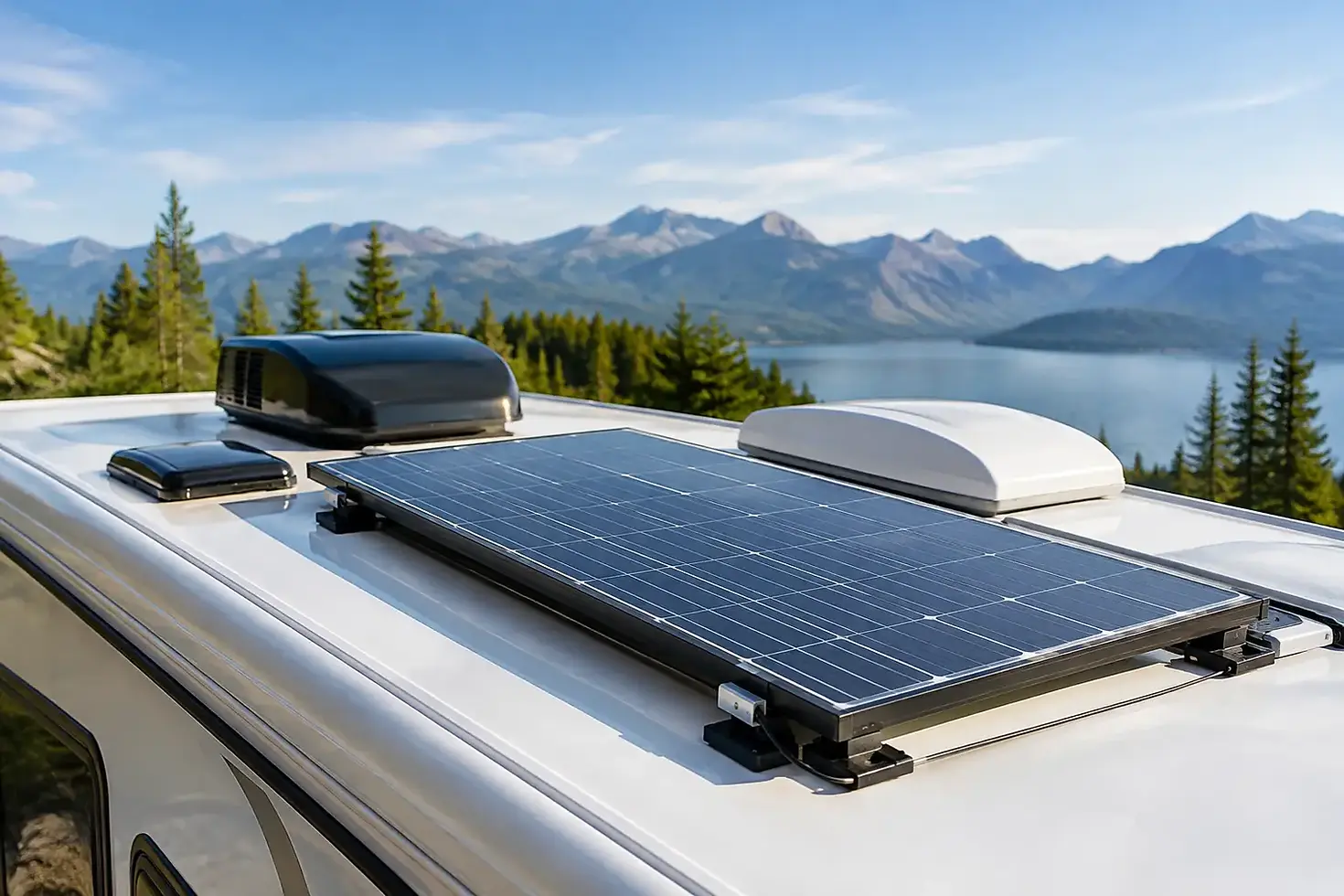
Custom RV Solar System Installation That Fits
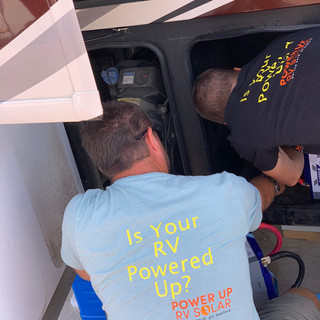
A coffee maker at sunrise, laptops through the workday, a residential-style refrigerator running overnight, and air conditioning when the desert heat settles in - those are the real demands behind a custom RV solar system installation. The system is not just panels on the roof. It is a carefully matched electrical setup built around how you actually travel, what you want to run, and how long you expect to stay away from hookups.
A setup that works beautifully for a weekend traveler may fall short for a full-time RVer working remotely in the Southwest. On the other hand, building far beyond your real needs adds weight, complexity, and equipment you may never use. The right answer starts with honest details about your rig and your routine.
Start With Your Off-Grid Routine
Before selecting a panel, battery, or inverter, look at where your RV spends its time. Do you move every few days and recharge while driving? Do you settle into public land for a week? Are you often under trees, in cloudy regions, or parked in open sun? Solar output changes with season, weather, roof angle, shade, dust, and the hours available to charge.
Camping style also determines how much backup charging makes sense. A traveler who regularly drives between overnight stops may benefit from alternator charging. Someone who stays put for long stretches may want enough solar and battery capacity to carry several days of typical use. Shore power integration still matters, too. A well-designed system should recharge efficiently when hookups are available rather than treating solar as an all-or-nothing choice.
Your desired level of independence needs a clear definition. Running lights, fans, water pumps, phones, and a compressor refrigerator is one level of off-grid living. Supporting work equipment, cooking appliances, entertainment systems, and air conditioning is another. Both are possible, but they call for very different system designs.
Build From Loads, Not Solar Panel Count
The most common planning mistake is starting with the question, “How many panels fit on my roof?” Roof space matters, but your electrical loads determine the system first.
A good design conversation begins with the equipment you use every day. That includes the refrigerator type, microwave wattage, coffee maker, induction cooktop, CPAP machine, laptops, Starlink or other internet equipment, televisions, water pump, fans, and any high-draw tools. Some loads run for only a few minutes but draw substantial power. Others have modest draw yet operate around the clock.
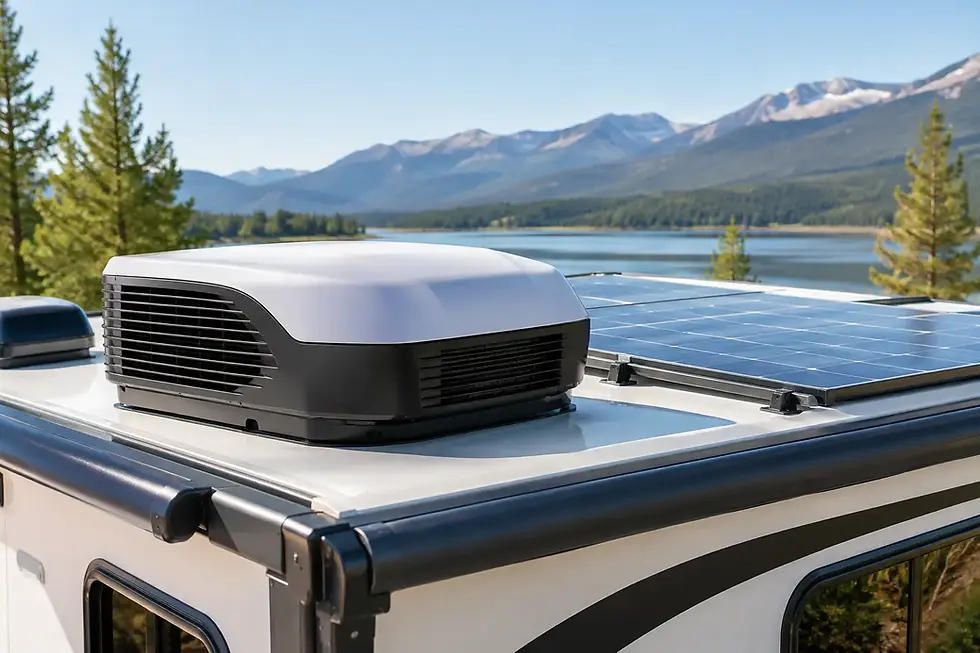
Air conditioning deserves its own discussion. The number of air conditioners, their startup behavior, the desired run time, outdoor temperature, insulation, window exposure, and thermostat setting all affect the design. A high-efficiency unit such as a Furrion Chill Cube can reduce the demand compared with older equipment, but it does not make cooling free. Sustained air conditioning on battery power requires a serious combination of lithium capacity, inverter output, solar production, charging capability, and realistic expectations about weather.
It is also worth separating watts from watt-hours. Watts describe the power being drawn at a given moment. Watt-hours describe how much energy is used over time. A microwave may draw high wattage for a short period, while a refrigerator draws smaller amounts throughout the day. Both affect the system, just in different ways.
The Inverter Must Handle Real-World Surges
The inverter converts battery power into the AC power used by household-style outlets and appliances. Its size should match both continuous loads and momentary startup surges. A system that can run a coffee maker may still struggle if the refrigerator compressor starts at the same time, or if an air conditioner cycles on while other large appliances are active.
Inverter capacity is not a reason to run everything at once. It is a safety and usability decision. A properly sized inverter, professionally wired circuits, and sensible load management allow you to use your RV naturally without constantly watching every switch.
Battery Capacity Is Your Overnight Plan
Solar panels produce power when sunlight is available. Batteries carry the rig through the evening, overnight, early morning, and periods of poor weather. That makes the battery bank one of the most important decisions in a custom build.
Lithium batteries are popular for RV solar because they offer usable capacity, efficient charging, long service life, and strong performance for high-demand systems. But battery capacity should not be selected by a single generic rule. The right bank depends on daily energy use, expected nighttime loads, charging opportunities, available installation space, weight distribution, and whether the system needs to support air conditioning.
Think about the morning after a normal off-grid day. Can the battery bank run the refrigerator, furnace blower or fans, devices, and routine use until solar production ramps up? Then ask what happens after a cloudy day. A battery bank that looks sufficient on a sunny spreadsheet may feel restrictive when weather does not cooperate.
Battery placement and wiring matter as much as capacity. High-current connections need proper cable sizing, secure routing, overcurrent protection, ventilation requirements where applicable, service access, and clean workmanship. A neat electrical installation is easier to inspect, easier to service, and far more reliable over miles of travel.
Solar Charging Is Part of a Complete System
Panels, charge controllers, batteries, inverters, shore power, alternator charging, monitoring, and the RV’s existing electrical equipment need to work as one system. Adding panels without examining those connections can leave capability on the table or create confusing limitations.
Charge controllers regulate the energy coming from the panels and protect the battery bank from improper charging. Their capacity and configuration must match the panel array and battery chemistry. Panel placement also requires care. Roof vents, air conditioners, satellite equipment, antennas, and shadows can limit usable space. Sometimes the best layout is not the arrangement with the largest panel count, but the one that avoids repeat shading and keeps wiring routes practical.
Remote monitoring is another useful part of the system, especially for travelers who want to understand energy use rather than guess at it. Accurate monitoring can show solar harvest, battery state, charging sources, inverter demand, and unusual loads. That information helps you adjust habits before a low-battery situation becomes a problem.
What a Professional Custom RV Solar System Installation Should Include
A custom installation should begin with a requirements-first conversation, not a prebuilt package. Your installer needs to understand your RV type, existing electrical equipment, current battery setup, roof layout, appliance list, air conditioner details, travel pattern, desired runtime, and any future upgrades you expect to make.
The inspection phase is where assumptions meet the actual rig. Cable paths, battery compartment dimensions, structural mounting locations, distribution panels, shore power equipment, and available space all shape the final approach. An experienced installer will also identify equipment that can be integrated safely and equipment that may need to be replaced for the system to perform as intended.
Professional work is especially valuable when high-current DC and 120-volt AC systems meet in a confined mobile environment. Proper fusing, disconnects, grounding, strain relief, wire protection, labeling, and organized component placement are not cosmetic details. They are what make the system dependable when you are far from the nearest hookup.
At Power Up RV Solar, the goal is to build around the way you travel rather than force your plans into a fixed package. That may mean expanding a battery bank for longer boondocking stays, designing for remote work, integrating shore power charging, or planning a system that can support a future air-conditioning upgrade.
Plan for the Trips You Have Not Taken Yet
A solar system is easiest to expand when that possibility is considered at the beginning. If you expect to add more lithium capacity, upgrade an inverter, install a more efficient air conditioner, or spend more time off-grid next year, mention it during the design process. Room for additional components, correctly sized conduits, and intentional wiring choices can prevent a major rework later.
That does not mean every RV needs to be built for every possible future. It means the system should reflect a clear direction. A couple traveling between campgrounds has different needs from a family working and schooling from the road. A motorhome staying in the Arizona sun has different solar opportunities than a travel trailer parked in shaded eastern campgrounds.
The best time to make those decisions is before equipment is mounted and wires are routed. Bring a realistic appliance list, explain how long you camp without hookups, and be honest about the comfort you want on the road. With the right custom design, your electrical system stops setting the boundaries of the trip - and starts supporting the freedom that brought you out there.


Comments